There are No Quick Fixes to Spring Lawn Success in York County
Most homeowners think spring is when lawns are “fixed.” In reality, spring simply reveals what was already decided months earlier. Below the surface, soil remains active throughout winter. Moisture movement, compaction, root preservation, and biological recovery all continue while turf appears dormant. Ignoring this phase is one of the biggest reasons lawns struggle with thin turf, uneven color, and slow recovery once temperatures rise. At Go Green Customized Lawn Care, we focus on soil health first because healthy lawns aren’t rushed, they’re built.
Experience Shapes Perspective
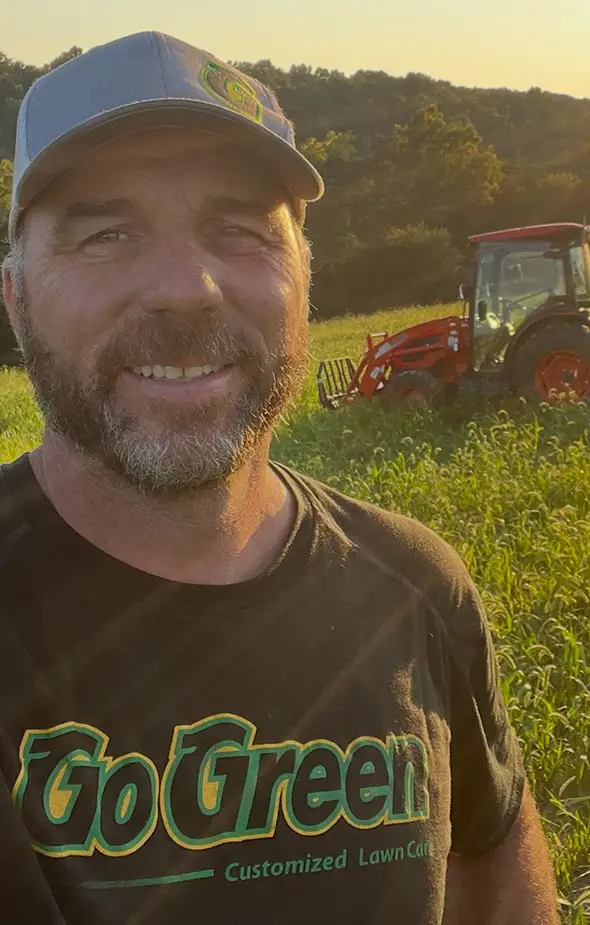
I’ve been professionally involved in commercial lawn care since 2009, working hands-on in the field, not just managing programs on paper. Today, I oversee and regularly visit more than 2,000 acres of turf across 1,000+ customers throughout York County. That acreage is divided into thousands of small parcels, most averaging about ¼ acre, which creates endless real-world variables. No two lawns behave the same. York County soils are primarily clay-based, ranging from gray to tan to deep red in color. Each variation influencing drainage, compaction tendencies, and nutrient behavior differently. Add variations in soil structure, mowing habits, cultural maintenance practices, grass types, weed pressure, and moisture saturation rates, and patterns begin to emerge. Through years of intentional evaluation and instinctive observation, one truth remains consistent: Lawns with healthier soil outperform those without it… every time!
What We See on Lawns Every Spring in York County 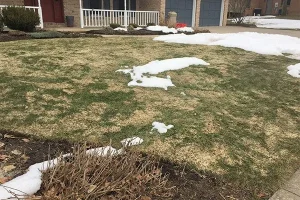
Every spring, the same two questions surface again and again:
- “Why do I have bare and thin spots?”
- “Why is my lawn not as green as my neighbor’s?”
These concerns aren’t caused by spring itself. They are symptoms of conditions that existed long before growth resumed. York County lawns have exceptional potential to be both aesthetically pleasing and structurally healthy. That potential is often limited by soil structure and mineral imbalances, combined with improper grass selection and inconsistent cultural care practices. When these factors compound, especially heading into winter the lawn enters spring already compromised. Thin turf, uneven color, and delayed green-up aren’t surprises in these cases; they are predictable outcomes.
The Most Overlooked Mistake: Mowing
One of the most damaging mistakes repeated season after season has nothing to do with fertilizer or treatments — it’s improper mowing. Dull blades, incorrect cutting heights, and inconsistent mowing frequency quietly weaken turf density and disrupt soil structure over time. Poor mowing habits reduce root depth, compromise moisture retention, and limit the lawn’s ability to handle seasonal stress. Proper mowing is not just about appearance. It protects soil temperature, preserves moisture, and supports a root system capable of surviving extreme heat and cold.
How We Diagnose a Struggling Lawn
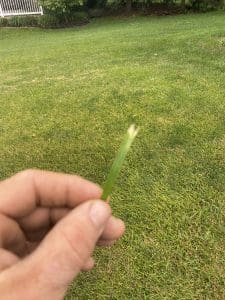
When evaluating a lawn that isn’t performing, the first place we look is how the grass is being cut.
We assess:
- Mowing height and surface protection
- Grass tips tearing versus clean cuts
- Recovery time after mowing
- Grass types and how they’re reacting within their optimal growing ranges
These details reveal whether everyday maintenance is supporting the lawn or slowly wearing it down.
What Lawn Care Customers Wish They Had Started Earlier
Many customers eventually realize the lawn cannot be managed successfully by treating individual problems in isolation. True performance comes from viewing the lawn as a living system. Proper mowing, surface temperature protection, and balanced fertility work together. Fertility itself is more than adding synthetic nutrients, it includes correcting mineral imbalances, improving soil structure with soil conditioners, and relieving compaction through aeration.
Grass selection matters just as much. Some grass types that once thrived in this region are no longer well-suited for today’s climate extremes. When those grasses are paired with compacted clay soils, lack water absorption, airflow becomes restricted, effectively choking the root system. This challenge is amplified in newer developments where engineered soil profiles often lack sufficient topsoil and in some cases any functional topsoil at all. These soils are not designed to breathe, drain, or support healthy turf without intentional correction.
The Philosophy That Ties It All Together
When explaining soil health, simple analogies resonate most:
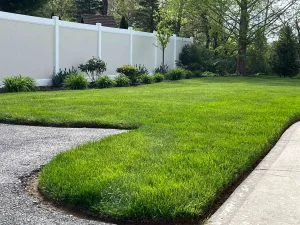
- When you mow right, it will grow right.
- When you mow in the heat, it will look beat.
- When you mow in the cool, it will stay full.
But the message that connects everything is the simplest one:
Get your dirt right!
In a region dominated by clay soils and engineered landscapes, shortcuts don’t work. Understanding how soil functions as a living system is the difference between chasing problems and preventing them.
Why Winter Soil Health Matters More Than Most People Realize
Winter soil health is often an afterthought. When lawns are at rest, human nature assumes little is happening. Perception becomes reality. In truth, winter is one of the most important phases of the lawn’s life cycle. Just like the human body, soil is a multifunctional living organism. The winter rest phase allows soil to heal from prior stress while preparing for the demands of the upcoming growing season. There is no avoiding winter dormancy, nor should there be. It is a critical function of maintaining healthy soil and the life it supports. How well a lawn rests and how efficiently it re-energizes for spring can be influenced.
Winter soil health is determined by:
-
The number of active growing days from the prior season
-
Proper mowing and cultural practices throughout the year
-
Fall fertility timing and product selection that strengthen roots
-
Energy storage that supports a steady, healthy spring wake-up
Paying attention to the details we can control and how we put our lawns to rest is one of the most important factors in long-term lawn success.
Spring doesn’t fix lawns.
Spring reveals what you left behind and winter has already decided.