
Mushrooms in Your Lawn: Why They’re Actually a Good Sign
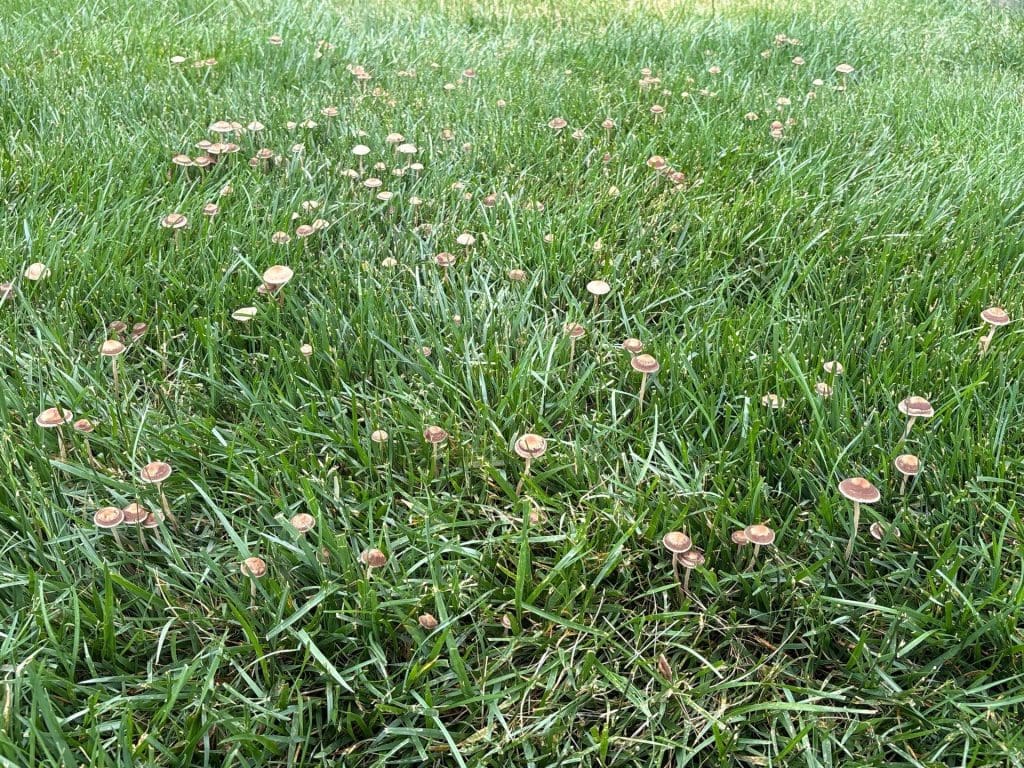
Seeing mushrooms pop up in your lawn after a rainy stretch can catch homeowners off guard. The good news? In most cases, mushrooms are not a problem at all. In fact, they’re often a sign that your soil is active, healthy, and working exactly as nature intended. Before reaching for a fungicide, it’s worth understanding what mushrooms are and the important role they play beneath the surface of your lawn.
What Are Lawn Mushrooms?
Mushrooms are the above-ground fruiting bodies of a fungal network called mycelium. While the mushrooms themselves may only be visible for a few days, the mycelium lives underground year-round. Think of mushrooms as the “flowers” of the fungus. Their purpose is to release spores and reproduce when environmental conditions are favorable. The actual fungal network remains hidden beneath the soil, quietly performing important work that benefits your lawn.
What Is the Fungal Network Doing?
The underground mycelium acts as one of nature’s most efficient recycling systems. As organic matter accumulates in the soil, the fungal network breaks it down and converts it into nutrients that can be used by your grass.
Materials Commonly Broken Down by Fungi
- Dead grass roots
- Buried tree roots
- Decaying wood
- Organic debris
- Excess thatch
- Animal Waste
The Natural Recycling Process
Step 1: Organic Matter Accumulates
Dead roots, buried wood, and decomposing plant material collect in the soil.
Step 2: Fungi Go to Work
The mycelium network breaks down this material into simpler compounds.
Step 3: Nutrients Are Released
Nitrogen, phosphorus, potassium, and micronutrients become available in the soil.
Step 4: Grass Benefits
Your lawn absorbs these nutrients and uses them for growth and recovery. Without fungi, much of this organic material would simply remain trapped in the soil for much longer periods.
Why Do Mushrooms Suddenly Appear?
Many homeowners assume mushrooms arrived overnight. In reality, the fungal network was already there.
Mushrooms only appear when environmental conditions are ideal for reproduction.
Conditions That Trigger Mushrooms
- Warm soil temperatures
- Consistent moisture
- High humidity
- Frequent rainfall
- Damp organic matter
When these conditions occur together, the fungal network sends up mushrooms to release spores.
When Are Mushrooms Most Common?
Spring is typically the busiest mushroom season. As soil temperatures rise and frequent rains keep the ground moist, conditions become ideal for fungal activity. Snowmelt and extended periods of moisture often trigger the first flush of mushrooms each year.
Fall is a second wave often appears during the fall months. Cooler temperatures combined with seasonal rainfall create another favorable environment for mushroom production. While fall outbreaks are usually smaller than spring flushes, they follow the same natural process.
How Long Will Mushrooms Last? The mushrooms themselves are temporary. Once conditions become less favorable, they begin to dry out and disappear naturally. Most lawn mushrooms last anywhere from a few days to a few weeks before fading away on their own. As temperatures increase, humidity decreases, or soil moisture drops, mushroom activity slows significantly.
Should You Remove Mushrooms?
In most cases, no treatment is necessary. The mushrooms are simply a temporary sign of biological activity occurring beneath the surface. If you have pets or small children, you may choose to remove visible mushrooms by hand or mow them off. However, doing so only removes the fruiting body and does not affect the underground fungal network. The fungus will continue its work regardless.
Will Mushrooms Keep Coming Back?
Possibly—but not forever. As long as there is organic material available for decomposition and environmental conditions remain favorable, mushrooms may appear periodically. Over time, as the organic matter is consumed and broken down, mushroom activity in that area often decreases naturally.
The Bottom Line
Mushrooms are not a sign that your lawn is failing. More often than not, they’re evidence of active, living soil and a healthy underground ecosystem. The next time mushrooms appear after a rainy period, consider them nature’s cleanup crew at work—breaking down organic matter, recycling nutrients, and helping build healthier soil for your lawn. While they may be temporary visitors, the benefits they provide beneath the surface can last for years.